

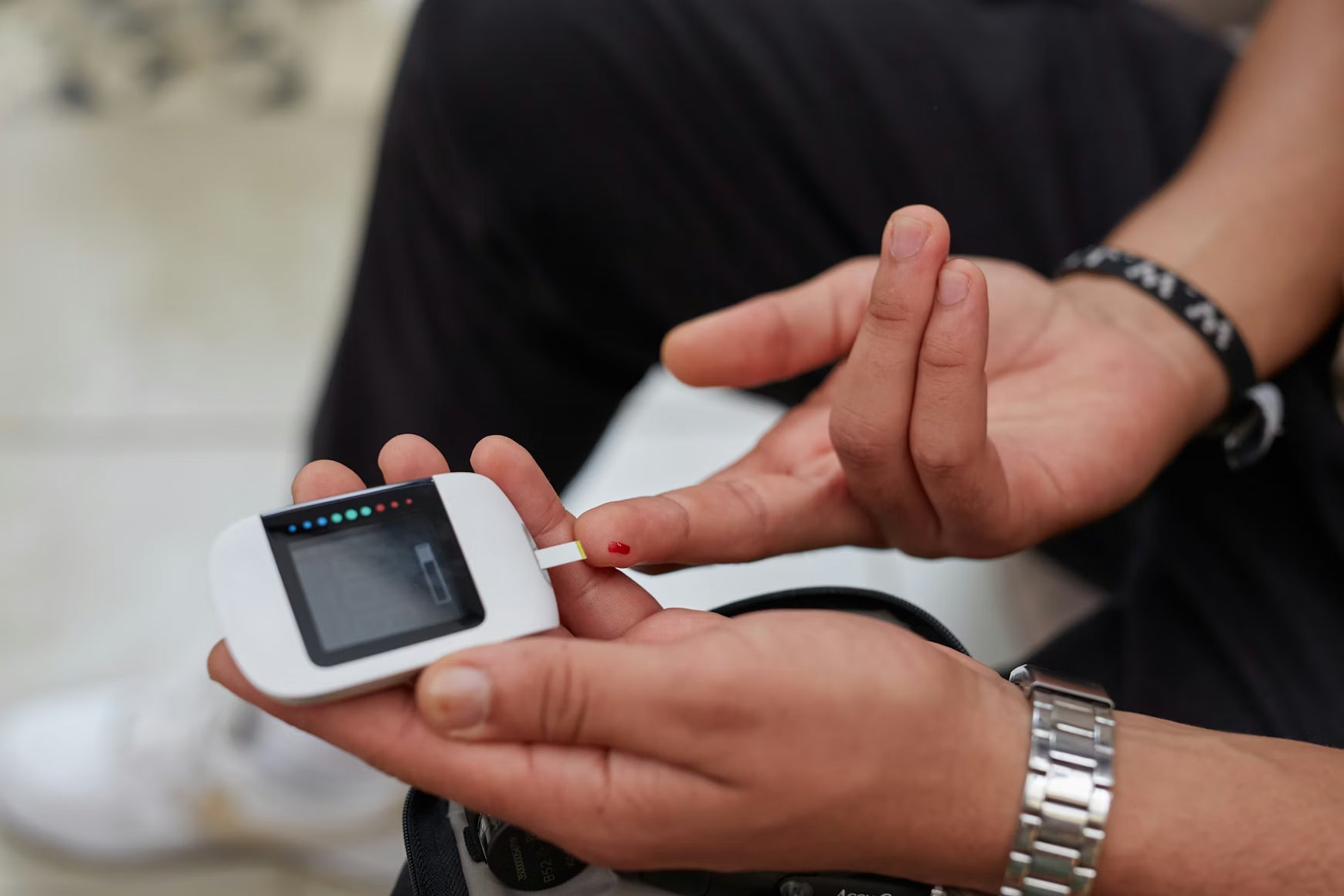
Living with type 2 diabetes or prediabetes means paying close attention to what you eat, how you move — and increasingly, what you supplement. While no supplement replaces medication or a healthy lifestyle, a growing body of research shows that certain nutrients can meaningfully support blood sugar regulation, insulin sensitivity, and metabolic health.
Here are the most evidence-backed supplements for diabetes support — and what the science actually says.
1. Berberine
Berberine is arguably the most clinically studied natural compound for blood sugar management. It activates AMPK — an enzyme that regulates glucose uptake and insulin sensitivity — through a mechanism similar to metformin. Multiple meta-analyses have shown berberine can reduce fasting blood glucose, HbA1c, and post-meal blood sugar spikes comparably to some pharmaceutical interventions.
Typical dose: 500 mg, 2–3 times daily with meals.
2. Magnesium
Magnesium deficiency is significantly more prevalent in people with type 2 diabetes than in the general population — and the relationship is bidirectional. Low magnesium impairs insulin receptor signalling, while high blood sugar increases urinary magnesium loss. Supplementing with magnesium glycinate or magnesium malate has been shown to improve insulin sensitivity and fasting glucose in deficient individuals.
Typical dose: 300–400 mg daily, preferably in the evening.
3. Alpha-Lipoic Acid (ALA)
Alpha-lipoic acid is a potent antioxidant that plays a key role in mitochondrial glucose metabolism. It has been shown to improve insulin sensitivity and is particularly well-studied for diabetic peripheral neuropathy — the nerve damage that affects many long-term diabetics. ALA is both water- and fat-soluble, giving it broad antioxidant reach throughout the body.
Typical dose: 300–600 mg daily; the R-ALA form is more bioavailable than the racemic mixture.
4. Chromium
Chromium is an essential trace mineral that enhances the action of insulin by supporting glucose transporter activity. Clinical trials have shown chromium picolinate supplementation can reduce fasting blood glucose and HbA1c, particularly in those with insulin resistance. It is often underconsumed in modern diets due to food processing.
Typical dose: 200–400 mcg daily of chromium picolinate.
5. Cinnamon Extract (Cinnamomum verum)
Ceylon cinnamon — not the common cassia variety — contains bioactive compounds that mimic insulin activity and slow carbohydrate digestion. Studies show it can reduce post-meal blood glucose and improve fasting glucose levels over time. Standardised extracts are preferred over raw powder to ensure consistent potency and to avoid coumarin, which is present in high amounts in cassia cinnamon.
Typical dose: 250–500 mg of standardised Ceylon cinnamon extract daily.
6. Vitamin D3
Vitamin D receptors are present on pancreatic beta cells — the cells responsible for insulin production. Deficiency is strongly associated with impaired insulin secretion and increased risk of type 2 diabetes. Correcting Vitamin D deficiency through supplementation has been shown to improve glycaemic control, particularly in those who are deficient at baseline.
Typical dose: 1,000–2,000 IU daily; pair with Vitamin K2 (MK-7) for optimal metabolic benefit.
7. Zinc
Zinc is essential for the synthesis, storage, and secretion of insulin. People with diabetes often have lower zinc levels due to increased urinary excretion. Zinc supplementation has been shown to improve fasting glucose, HbA1c, and antioxidant status in diabetic patients. Zinc bisglycinate is a well-tolerated, highly bioavailable form.
Typical dose: 15–25 mg daily with food.
Important Considerations
If you are on blood sugar-lowering medication (including metformin or insulin), some of these supplements — particularly berberine — can have additive effects and may require dose adjustments. Always work with your endocrinologist or GP before adding supplements to your diabetes management plan.
Blood sugar monitoring before and after introducing a new supplement is a practical way to track individual response.
Why Quality Matters
With metabolic health supplements, purity and standardisation are non-negotiable. At German Supplements, every product is manufactured to strict German pharmaceutical standards — independently tested for potency, contaminants, and label accuracy. When managing a condition like diabetes, you need supplements you can trust.
This article is for informational purposes only and does not constitute medical advice. Always consult your healthcare provider before making changes to your diabetes management plan.


